Do you know what is an anchor holding for? You may say anchor is used for holding metal frame onto concrete or holding water pipe in overhead position. Anchor is even not a visible component during construction but can you imagine that anchor is holding life in real world?
Imagine you are walking inside a residential carpark to get your car and suddenly an air-conditioning unit fallen from the ceiling with 50kg weight due to anchor overloading or during typhoon the external cladding was blown away due to anchor failure. It is always lethal for people if the anchor is not designed correctly and injury or fatal cases can be expected.
As a responsible engineer, there are three steps to ensure the anchor safety under different service conditions. The steps are – Choose it right, design it right and install it right. 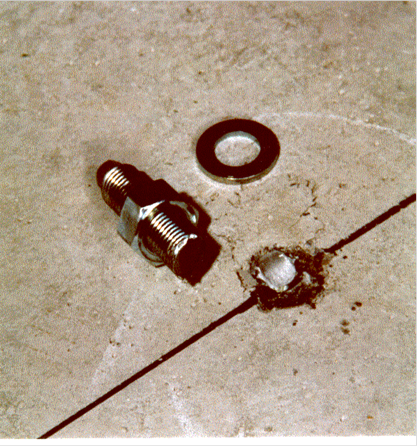
How to choose a right brand?
How can you trust a piece of anchor that holds tons of loading? Would you trust an anchor produced in a family owned factory that is able to sustain a continuous dynamic load? The confidence is built on the accreditation method of anchor such as the tests conducted behind, sampling during production and the quality checking mechanism. The most famous accreditation scheme is the ETAG system (European Technical Approval Guideline). It is one of the most stringent scheme for anchor over the world. It stipulates how the load test should be done on anchors, sampling rate of quality assurance as well as design method of anchor under different scenarios. Prior to getting the ETAG approval, the anchor should go through thousands of tests with consistent quality check. Therefore, choose the ETAG approved anchor means you are buying a qualified anchor with highest confidence.
How to design it right?
Choosing the right brand doesn’t mean that you can get rid of anchor failure. If you are using a M10 qualified anchor to hold a two tons cantilever canopy, breakage of anchor should be expected. The rightest source of design theory is from the technical manual supplied by the manufacturer. As most of the reliable and trustful brands are ETAG approved and it implies that their design data is also based on ETAG tested data. How to make sure your design is correct? First consideration is the loading. You must figure out the weight of your air-conditioning unit or the wind-load acting on the outdoor metal frame. Another consideration is the loading condition. Would your anchor be loaded under concrete with microcracks? Would it be a dynamic loading such as fatigue and seismic? If your answer is positive, the right anchor under right approval should be considered. 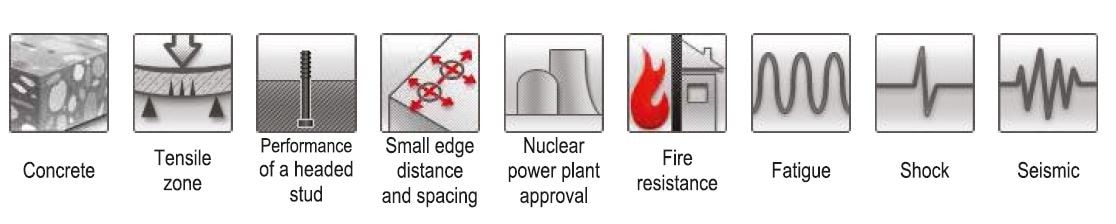
How to install it right?
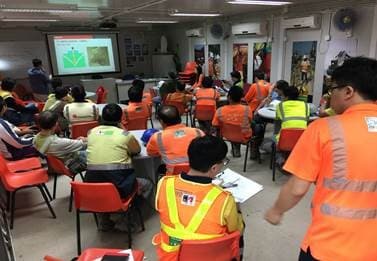
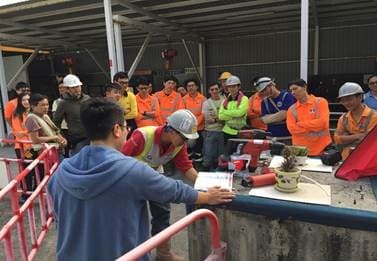
It would be too optimistic if you think the anchor is safe after choosing a reliable brand with right size. The worker would ruin everything if they are not doing the right things in the job site. Some anchor failure reasons can be attributed to poor workmanship such as overturning the anchors, neglect the minimum material thickness and spacing as well as improper setting parameters. This risk can never be eliminated but can be minimized by conducting proper training and certification to workers. As a responsible anchor manufacturer, Hilti also supports in the job site training and worker competency certification to ensure the workers are doing the right things during installation. Until 2018, we have already trained more than 10000 workers and we can see the amazing result on anchor safety.